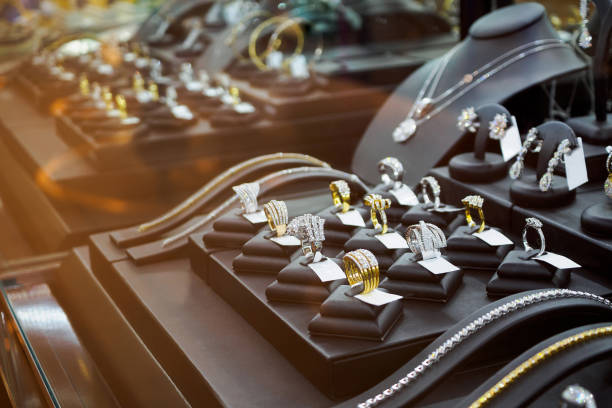
The value of a diamond ring is shaped by numerous external factors that go beyond the intrinsic properties of the diamond itself. Understanding these external influences can help buyers make informed decisions and ensure they get the best value for their investment. Below, we explore the primary factors that influence diamond ring valuation.
1. Market Trends and Consumer Preferences
- Round brilliant diamonds are timeless but tend to command higher prices due to their universal appeal.
- Unique shapes like pear, emerald, or marquise may be priced differently based on current consumer preferences.
- White gold and platinum settings are often more expensive than yellow gold or sterling silver due to material costs.
- Contemporary designs (like halo or pavé) vs. traditional solitaire designs can influence pricing based on market fashion cycles.
2. Geopolitical and Economic Conditions
- Currency Fluctuations: As diamonds are traded globally, exchange rates impact import/export costs.
- Inflation Rates: Rising inflation often increases production costs for mining, cutting, polishing, and distribution.
- Global Events: Political instability in diamond-producing regions may disrupt supply chains, reducing availability and increasing prices.
3. Certification Standards
| Certification Body | Impact on Valuation |
| GIA | Widely recognized; ensures unbiased grading standards |
| IGI | Popular but sometimes considered secondary to GIA |
| EGL | May vary in grading accuracy; lower certifications reduce trust |
Certified diamonds typically fetch higher prices because they offer assurance regarding quality attributes such as cut, color, clarity, and carat weight.
4. Retailer Markups
- Online retailers usually have lower overhead costs compared to physical stores; hence their prices are generally more competitive.
- Luxury brands charge premium prices due to brand reputation rather than solely based on material value.
5. Seasonal Demand
- Engagement Seasons: Christmas holidays through Valentine’s Day see increased demand for engagement rings.
- Wedding Seasons: Prices may rise during wedding-heavy months due to heightened demand for wedding bands that pair with diamond rings.
By understanding these external factors that influence diamond ring valuation—ranging from economic conditions to seasonal trends—buyers can make smarter purchasing decisions while navigating this complex market effectively.
How to Navigate Engagement Ring Valuation and Diamond Pricing Models
The pricing of diamond rings can often be perplexing, especially for first-time buyers. One of the key concepts that underpins diamond pricing is the exponential pricing model. Unlike many other goods that follow a linear or straightforward cost structure, diamonds are priced exponentially based on their characteristics. Understanding this model can help buyers make informed decisions and better appreciate the value of their purchase.
Key Factors Driving Exponential Pricing
- The carat weight of a diamond is one of the most significant determinants of its price. While larger diamonds are rarer and more desirable, the price does not simply double with size. Instead, it increases exponentially because finding larger gem-quality diamonds requires significantly more effort and precision.
| Carat Weight | Approximate Price* |
| 0.50 ct | $1,500 |
| 1.00 ct | $6,000 |
| 2.00 ct | $20,000 |
Diamonds with fewer inclusions or blemishes are rarer and therefore more expensive. A flawless diamond is exponentially pricier than one with minor imperfections visible only under magnification.- The closer a white diamond is to being completely colorless (graded D on the GIA scale), the higher its value. As you move down the scale towards Z (noticeable yellow or brown tint), prices drop significantly.
- A well-cut diamond maximizes brilliance and sparkle by reflecting light optimally through its facets. Cut quality has an outsized impact on price because it enhances all other attributes of a stone.
Why Prices Increase Exponentially
- Larger diamonds are exponentially rarer than smaller ones because extracting them from rough stones without significant flaws is incredibly challenging.
- Perfectly colorless or flawless stones are statistically uncommon, which drives up demand among collectors and luxury buyers.
- The craftsmanship involved in cutting and polishing high-quality stones further adds to costs.
Tips for Buying Diamonds in an Exponential Pricing Market
- Set Priorities: Decide which aspects (e.g., size vs quality) matter most to you before shopping.
- Consider Compromises: Slightly lower grades in clarity or color that aren’t noticeable to the naked eye can offer significant savings without sacrificing visual appeal.
- Work With Reputable Jewelers: Certified jewelers can provide detailed reports (e.g., GIA certification) to ensure transparency about what you’re paying for.
- Focus on Cut Quality: This attribute affects how beautiful your diamond appears regardless of its other grading factors.
When purchasing a diamond ring, understanding how these elements interconnect within an exponential pricing model empowers buyers to make confident choices while staying within budget constraints.
Note: Prices listed are approximate and will vary based on market conditions, geographic location, and specific retailer offerings.
Understanding the Importance of a Diamond Ring Appraisal Before Your Purchase
Choosing the perfect diamond ring is a deeply personal journey that combines emotional significance with careful decision-making. A diamond ring, especially an engagement or wedding ring, often symbolizes love, commitment, and shared dreams. Below is a comprehensive guide to help you navigate this process.
Understanding the 4Cs: Cut, Color, Clarity, and Carat
The 4Cs are the cornerstone of diamond evaluation. Understanding these factors can help you choose a diamond that meets both your aesthetic preferences and budget.
- Cut
A diamond’s cut determines its ability to reflect light and produce brilliance. Cuts are graded from Excellent to Poor. An expertly cut diamond maximizes sparkle. - Color
The color scale ranges from D (colorless) to Z (light yellow or brown). Colorless diamonds are rare and more valuable compared to others with visible tints. - Clarity
Clarity measures internal flaws (inclusions) or external blemishes in a diamond. These are graded from Flawless (FL) to Included (I), with flawless diamonds being exceptionally rare. - Carat
Carat refers to a diamond’s weight rather than its size. Larger carat weights increase value but should also be balanced with good cut quality for maximum visual impact.
| Grading Factor | Description | Scale |
| Cut | Determines brilliance | Excellent – Poor |
| Color | Measures lack of color | D (colorless) – Z (visible tint) |
| Clarity | Assesses inclusions and blemishes | Flawless (FL) – Included (I) |
| Carat | Weight of the diamond | Typically ranges from <0.5ct to >5ct |
Selecting the Right Setting
- Prong Setting: Holds the diamond in place using metal prongs, maximizing light exposure for brilliance.
- Bezel Setting: Encircles the stone with a metal rim for added security.
- Pavé Setting: Features small diamonds embedded along the band for added sparkle.
- Halo Setting: Surrounds a center stone with smaller diamonds for enhanced visual impact.
Each setting type offers unique benefits depending on your priorities—be it durability, style, or emphasis on brilliance.
Defining Your Budget
- Allocate funds based on personal financial circumstances rather than societal norms.
- Prioritize aspects like cut quality over carat weight if you’re working within tight constraints.
- Consider lab-grown diamonds as they offer excellent quality at lower price points compared to natural diamonds.
Choosing Metal Types
- Platinum: Durable, hypoallergenic, and boasting a bright white sheen.
- White Gold: Offers similar aesthetics as platinum but at a lower cost.
- Yellow Gold: Classic choice that complements vintage designs.
- Rose Gold: Trendy yet timeless option featuring warm pink hues.
Your choice of metal should align with personal style preferences while accommodating lifestyle needs—for example, platinum may be ideal for individuals requiring higher resistance against scratches or wear.
Tailoring Your Design Preference
- Decide whether you prefer modern minimalist styles versus intricate vintage-inspired looks.
- Opt for custom engraving if personalization adds sentimental value.
- Evaluate additional accents such as side stones or colored gemstones based on personal taste.
Exploring these considerations ensures every detail aligns harmoniously with your expectations while creating cherished memories tied closely around this significant purchase decision-making process.
How Supply and Demand Influence Engagement Ring Appraisal Values
The price of a diamond ring is significantly influenced by the basic economic principles of supply and demand. Understanding this interplay provides valuable insight into why diamond rings are priced the way they are, and helps consumers make informed purchasing decisions.
Supply Factors Affecting Diamond Prices
- Mining Limitations
Diamonds are finite natural resources extracted from mines. The processes involved in locating, extracting, and refining diamonds are time-intensive and costly, which reduces their overall availability. - Geopolitical Issues
Many diamond mines are located in politically unstable regions. Conflicts or trade restrictions can disrupt mining operations or distribution channels, limiting supply. - Ethical Sourcing
With increasing global awareness around “conflict-free” diamonds, ethical sourcing has also impacted supply chains. Regulations like the Kimberley Process aim to curtail the flow of conflict diamonds but limit access to certain markets. - Recycling Trends
More consumers today sell pre-owned jewelry or repurpose older diamonds into new designs. While this increases short-term supply, it often does not meet demand for specific sizes or grades.
Demand Drivers for Diamond Rings
- Cultural Traditions
Weddings, engagements, anniversaries, and special occasions fuel consistent demand for diamond rings across various cultures. Their symbolic meaning significantly boosts their desirability. - Marketing Campaigns
Historically impactful campaigns—such as De Beers’ “A diamond is forever”—have created emotional connections with diamonds as symbols of love and status, driving sustained popularity. - Emerging Markets
As middle-class populations grow in countries like China and India, demand for luxury items such as diamond jewelry has surged dramatically over recent decades. - Fashion Trends
Shifts in design preferences also play a role. For example: - Minimalist settings might push smaller stones into vogue.
- Vintage-inspired designs could revive demand for rare cuts like Asscher or marquise shapes.
Balancing Supply and Demand: Pricing Implications
When there is elevated demand but limited supply: – Prices rise sharply as available inventory becomes scarce. – Premium-quality stones (e.g., those with exceptional color or clarity) often command even higher price points during these periods.
Conversely: – When there is an oversupply due to reduced market activity (e.g., during economic downturns), prices may stabilize or decline temporarily.
| Factor | Effect on Price | Example Scenario |
| Reduced mining output | Price increase | Political instability halts production |
| High cultural demand | Price increase | Wedding season surges |
| Ethical regulations | Price increase | Stricter sourcing requirements |
| Market saturation | Price decrease/stabilize | Rise in resale activity |
Economic Sensitivity of Diamonds
Although often considered luxury goods with stable value retention, diamonds can still be subject to broader economic trends such as inflation rates or currency fluctuations. Buyers should recognize that while the intrinsic value of a diamond remains high due to its rarity, external factors tied to supply chains can create temporary pricing volatility.
By understanding how basic principles of supply and demand shape pricing dynamics, buyers can approach their investment in diamond rings with greater confidence while navigating fluctuating market conditions effectively.
Building a Stunning Jewelry Collection Featuring Diamond Rings
A well-curated jewelry collection is more than just an assortment of accessories; it reflects personal style, sophistication, and timeless elegance. Diamond rings, as one of the most coveted pieces in the world of fine jewelry, serve as cornerstone items in any impressive collection. Here’s a detailed guide to building a stunning jewelry collection with diamond rings at its heart.
Understanding the Role of Diamond Rings in a Collection
Diamond rings are versatile and iconic. Whether they are engagement rings, cocktail rings, or stackable bands, these pieces instantly elevate the aesthetic of a jewelry collection. Their rarity, brilliance, and symbolism make them ideal for marking significant milestones or simply enhancing everyday elegance.
Reasons why diamond rings are essential:
– Timeless Appeal: Diamonds never go out of fashion and retain their value over time.
– Symbolism: They signify love, commitment, and success.
– Versatility: Suitable for both formal occasions and casual settings. – Investment Potential: High-quality diamonds can serve as an asset that appreciates with time.
Categories of Diamond Rings to Include
- A single diamond on a plain band emphasizes simplicity and elegance.
- Ideal for both engagement purposes and minimalistic fashion lovers.
- Feature smaller diamonds encircling a central stone for added sparkle.
- Perfect for making a bold statement while enhancing brilliance.
- Encircled entirely with diamonds symbolizing infinite love or timeless style.
- Can be stacked with other rings or worn alone.
- Intricate motifs or settings echoing bygone eras give unique character to your collection.
- Great for those who appreciate craftsmanship and history.
- Oversized designs often combining diamonds with other gemstones.
- Serve as eye-catching conversation starters at events.
| Ring Type | Key Features | Recommended Use |
| Solitaire | Single central diamond | Everyday wear; engagements |
| Halo | Center stone with surrounding gems | Formal occasions |
| Eternity Band | Diamonds all around the band | Stackable; anniversaries |
| Vintage-Inspired | Unique antique-inspired designs | Timeless sophistication |
| Statement Cocktail | Bold size; often colorful | Special events; celebrations |
Tips to Curate Your Collection
- Prioritize Quality Over Quantity: Focus on acquiring fewer but higher-quality pieces rather than accumulating many lower-tier items.
- Understand the 4Cs (Cut, Color, Clarity, Carat): These factors influence not only beauty but also value.
- Diversify Styles and Settings: Ensure your collection includes different designs suitable for various occasions.
- Balance Budget With Investment Goals: Determine whether you’re purchasing primarily for personal enjoyment or long-term value appreciation.
- Seek Certification from Reputable Labs: Always insist on GIA or AGS certification when buying diamond rings to ensure authenticity.
Pairing Diamond Rings With Other Jewelry Pieces
- Pair solitaire diamond rings with understated necklaces or stud earrings for effortless elegance.
- Combine halo or cocktail diamond rings with bracelets featuring complementary gemstones to create a vibrant look.
- Use eternity bands as stackable accents alongside minimalist bands in contrasting metals like platinum or rose gold.
Investing in thoughtfully selected diamond rings transforms your jewelry box into a treasure trove brimming with beauty and purpose. By choosing distinctive styles that resonate personally while maintaining quality standards, you ensure that your collection will endure through time both aesthetically and financially.
Comprehensive Guide to Jewelry Categories with a Focus on Diamond Rings
When it comes to jewelry, each category offers unique attributes and appeals to different tastes, occasions, and purposes. Among the most captivating and sought-after pieces are diamond rings, which hold a timeless allure. This guide delves into the core jewelry categories while emphasizing the significance of diamond rings within these classifications.
Primary Jewelry Categories
- Symbolize love, commitment, or personal style.
- Diamond rings are often used for engagements, weddings, anniversaries, and special occasions.
- Available in designs such as pendants or chokers.
- Often customized with gemstones or diamonds to elevate their elegance.
- Can range from simple studs to intricate chandelier designs.
- Diamond earrings are valued for their brilliance and versatility.
- Popular types include bangles, cuffs, and tennis bracelets adorned with diamonds.
- Luxury watches can incorporate diamonds for added sophistication.
- A traditional yet stylish category that often features gemstones like diamonds for enhanced visual appeal.
Why Diamond Rings Stand Out
- Emotional Value: Often associated with milestones such as engagements or weddings.
- Investment Potential: High-quality diamond rings can retain or increase in value over time.
- Customization Options: From cuts (e.g., round brilliant or princess) to settings (e.g., solitaire or halo), there are endless possibilities for creating personalized designs.
- Versatility: Suitable for formal events as well as everyday wear when designed simply.
Characteristics of Diamond Rings Across Categories
| Category | Role of Diamonds | Key Features |
| Engagement Rings | Centerpiece symbolizing love | Typically uses high-carat stones |
| Wedding Bands | Adds elegance through subtle accents | Minimalist designs with smaller stones |
| Fashion Rings | Enhances personal style | Bold settings with unique stone shapes |
Tips on Integrating Diamond Rings into Your Jewelry Collection
- Assess Your Style: Decide whether you prefer classic designs (e.g., solitaire) or modern trends (e.g., asymmetrical styles).
- Choose Complementary Pieces: Pair diamond rings with earrings or bracelets that share similar metal tones (e.g., platinum or gold).
- Consider Everyday Wearability: Opt for durable materials like platinum if you plan on wearing your ring regularly.
By understanding how jewelry categories function together and appreciating the standout qualities of diamond rings, you can curate a collection that reflects both your personal taste and timeless elegance.
Selecting Timeless Watches and Accessories to Complement Your Diamond Ring
A diamond ring is often the centerpiece of any jewelry collection, radiating brilliance and timeless elegance. However, to truly elevate its beauty, pairing your diamond ring with the right watches and accessories can create a harmonious and sophisticated look. Here is an in-depth guide on how to carefully select complementary items that enhance your diamond ring.
Key Principles for Accessory Pairing
- Consistency in Metal Tones:
Ensure that the metal of your watch or accessory matches the setting of your diamond ring. For example:- Platinum or white gold rings pair beautifully with silver or stainless steel watches.
- Yellow gold rings work best with gold-tone watches or accessories.
- Rose gold offers a warm hue that blends well with coppery or pinkish accents in other pieces.
- Balancing Simplicity and Intricacy:
If your diamond ring boasts an intricate design, opt for minimalist accessories to avoid overwhelming your overall look. Conversely, a simple solitaire diamond can be paired with a bold statement piece for added flair. - Maintaining Proportions:
The size of your watch face, bracelet width, or earrings should not overshadow the visual prominence of your ring. Aim for balance in proportions so each piece complements rather than competes for attention.
Suggested Accessories to Pair with Diamond Rings
- Classic designs such as dress watches are ideal companions for diamond rings.
- Look for timepieces featuring subtle embellishments like diamond hour markers or sleek bezels.
- Brands like Cartier, Rolex, and Omega offer elegant models tailored to refined tastes.
- Tennis bracelets featuring diamonds align seamlessly with the sparkle of a diamond ring.
- Cuff bracelets in matching metal tones provide subtle sophistication.
- Avoid stacking too many bracelets near the hand wearing the ring—simplicity is key.
- Diamond studs are a versatile choice that mirrors the brilliance of most rings.
- Drop earrings featuring gemstones can serve as striking counterparts when chosen thoughtfully.
- Coordinate stone shapes (e.g., round-cut studs matching a round-cut center stone on a ring) for cohesive aesthetics.
- A delicate chain necklace with a single pendant complements solitaire rings effortlessly.
- For vintage-inspired rings, consider layering antique-style necklaces that reflect similar motifs.
Matching Styles: Contemporary vs Traditional
For those who favor modern designs in their jewelry collections: – Opt for geometric-inspired watches and sleek metallic bangles to amplify contemporary aesthetics. – Incorporate mixed metals strategically while ensuring cohesiveness through consistent textures.
For those leaning towards traditional styles: – Stick to classic pearls or heirloom-inspired pieces such as cameo brooches alongside ornate engagement rings. – Vintage-style timepieces (like pocket-watch faces designed into wristwatches) evoke timeless charm without clashing stylistically.
Aesthetic Coordination Table
| Accessory Type | Best Feature(s) to Match | Recommended Materials/Designs |
| Watch | Metal tone | Stainless steel, gold accents |
| Bracelet | Stone type/metal finish | Diamond accents; thin cuffs |
| Earrings | Diamond cut | Studs; drop designs |
| Necklace | Pendant style | Minimalist; gemstone-adorned |
Thoughtful coordination enhances not only individual pieces but also creates an ensemble that reflects both personal style and sophistication—all centered around your cherished diamond ring’s brilliance.
- How to Get a Diamond Ring Appraisal and Understand Its Value
- Understanding Unique Diamond Types: How an Engagement Ring Appraisal Determines Value
- Essential Tips for Calculating the Value of Engagement Rings
- How External Factors Impact the Value of Engagement Rings
- How to Ensure Your Engagement Ring Valuation Is Accurate and Why It’s Important
- Understanding the Purpose and Importance of Appraising Engagement Rings