Understanding Unique Diamond Types: How an Engagement Ring Appraisal Determines Value
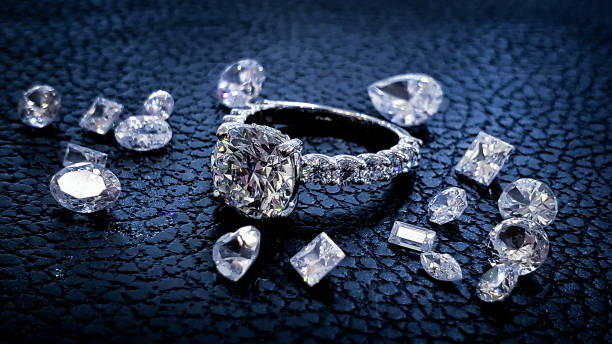
Diamonds are often considered one of the most valuable gemstones, but their worth is not determined by a single factor. Understanding these factors can help you make more informed decisions when purchasing or selling diamonds.
The Four Cs: Core Factors in Diamond Valuation
- Larger diamonds are typically more expensive because they are rarer.
- Example: A 2-carat diamond will usually cost significantly more than two 1-carat diamonds combined, even if they have similar quality grades.
- Well-cut diamonds appear more brilliant and lively, whereas poorly cut stones may seem dull.
- Fancy-colored diamonds (e. g. , pink, blue) fall into a separate category and can be extremely valuable due to their rarity.
- Clarity refers to the presence or absence of internal inclusions or external blemishes.
- Diamonds with fewer imperfections are considered higher quality and fetch higher prices.
| Clarity Grade | Description | Visibility |
| FL (Flawless) | No inclusions visible under 10x magnification | Extremely rare |
| VS1-VS2 | Very slight inclusions | Hardly noticeable |
| SI1-SI2 | Slight inclusions | Visible under magnification |
Additional Factors That Affect Diamond Value
- Certification:Diamonds accompanied by certification from reputable gemological institutes like GIA (Gemological Institute of America) tend to have greater trust and value in the market.
- Shape:Non-traditional shapes such as pear or marquise may vary in popularity and pricing compared to classic round-cut diamonds.
- Market Demand:Market trends significantly affect pricing; for example, pink or lab-grown diamonds may be in higher demand at specific times due to consumer preferences.
Natural vs Lab-Grown Diamonds
With advancements in technology, lab-grown diamonds have emerged as an alternative to natural stones. While lab-grown options offer ethical benefits at lower prices, they often hold different resale values when compared to natural counterparts because of their abundance.
| Feature | Natural Diamond | Lab-Grown Diamond |
| Formation | Mined from Earth over billions of years | Created in controlled environments within weeks |
| Cost | Higher | Typically 20-40% less |
| Resale Value | Strong | Lower |
Understanding what influences diamond value is crucial whether you’re buying for personal enjoyment or investment purposes.
Understanding Unique Engagement Rings: How Much is a Black Diamond Worth?
Black diamonds are some of the most intriguing and unique gemstones in the world of jewelry. Unlike traditional white diamonds, black diamonds hold a mysterious allure due to their distinct appearance and rare characteristics. When determining the worth of a black diamond, several factors come into play that distinguish them from other diamond types. Here’s an in-depth look at what makes black diamonds valuable and how their pricing is influenced.
Characteristics of Black Diamonds
Black diamonds are unique both in their composition and appearance. They are either naturally occurring or treated to achieve their bold, dark hue.
- Color: The deep black coloration can be natural or enhanced through treatments like irradiation or heat.
- Composition: Natural black diamonds, also known as “carbonados,” have a polycrystalline structure, making them different from traditional white diamonds with single-crystal structures.
- Clarity: Since they are opaque, clarity grading (used for colorless or fancy colored diamonds) is not typically applied to black diamonds.
Factors Influencing Black Diamond Value
- Natural Black Diamonds: These are rarer and more valuable due to their unique formation process over billions of years beneath the Earth’s surface.
- Treated Black Diamonds: More affordable because they are typically enhanced from lower-quality white diamonds through treatments that darken their color.
- Carat Weight:
Similar to white or colored diamonds, larger carat weights tend to increase value. That said, treated black diamonds often have lower per-carat prices compared to natural ones. - Cut Quality:
A well-cut black diamond reflects light beautifully despite its opaque nature. Cuts like cushion, round brilliant, or emerald can impact overall pricing by enhancing visual appeal. - Rarity & Demand:
Natural black diamonds’ rarity significantly drives up their market price, especially for high-quality specimens with uniform coloration.
Estimated Pricing for Black Diamonds
The value of a black diamond varies greatly depending on whether it is natural or treated and its overall quality parameters (size, cut quality).
| Type | Price Range per Carat (USD) |
| Treated Black Diamond | $100 – $300 |
| Natural Black Diamond | $1,500 – $3,000+ |
Note: Prices may vary based on market fluctuations and vendor markups.
Why Choose a Black Diamond?
Black diamonds make an excellent choice for those seeking standout jewelry pieces with modern sophistication or symbolic meaning.
- Versatility in Design: Their bold hue pairs well with various metals like platinum or rose gold.
- Symbolism: Often associated with strength and passion.
- Affordability Options: Treated stones offer budget-friendly alternatives without compromising style.
Tips for Buying a Black Diamond
- Always ask if the stone is natural or treated.
- Request certification from reputable gemological labs such as GIA.
- Consider working with jewelers experienced in handling non-traditional stones like black gems.
Black diamonds are a captivating and unique variety of diamonds that have gained significant popularity in recent years. Unlike traditional white or colorless diamonds, black diamonds possess a dark, mysterious allure that makes them stand out in jewelry collections. Understanding their worth requires examining several factors, as black diamonds are evaluated differently compared to other diamond types.
What Makes Black Diamonds Unique?
Black diamonds, also known as “carbonado,” are distinct due to their opaque appearance and dark coloring. This color is caused by numerous inclusions within the stone, particularly graphite and iron compounds, which create the rich black hue. While inclusions often decrease the value of traditional diamonds, they are essential to the aesthetic appeal of black diamonds.
There are two primary types of black diamonds:
– Natural Black Diamonds: These occur naturally and acquire their color through processes deep within the Earth over millions of years. They are rarer than treated black diamonds and typically hold higher value.Treated Black Diamonds: These start as lower-grade white or gray diamonds that undergo heat or irradiation treatments to achieve their black coloration. They are more affordable than natural black diamonds but still offer stunning beauty.
Factors That Determine the Value of Black Diamonds
As with other diamond types, several factors influence the worth of a black diamond.
- Larger stones generally command higher prices due to their rarity.
- However, because standard clarity grading does not apply to opaque stones like black diamonds, price increases per carat may be less dramatic than with white diamonds.
- High-quality natural black diamonds feature even coloration throughout the stone.
- Inconsistent coloring or visible blemishes in treated stones may reduce value.
- Well-cut stones reflect light beautifully despite being opaque.
- Popular cuts for black diamonds include round brilliant cuts and cushion cuts due to their ability to maximize elegance.
- Natural untreated stones fetch significantly higher prices compared to treated ones.
- Always request certification from reputable grading bodies such as GIA (Gemological Institute of America) for assurance on whether a stone is natural or treated.
- Black diamond prices can vary depending on trends in fashion and jewelry design.
- Their modern appeal has made them highly sought after for engagement rings and statement pieces alike.
Average Price Range for Black Diamonds
| Type | Average Price (Per Carat) |
| Natural Black Diamond | $1,500 – $3,000+ |
| Treated Black Diamond | $100 – $300 |
These figures can fluctuate based on specific carat size, cut quality, and certification details provided by gemological experts.
Why Choose a Black Diamond?
Black diamonds offer several benefits when compared to traditional stones:
– Uniqueness: Their bold appearance stands out from conventional clear or colored gemstones.Versatility: They pair beautifully with both modern minimalist settings and vintage designs.Affordability (for Treated Stones): Treated varieties allow buyers access to striking jewelry without breaking the bank.
Whether you’re looking for an engagement ring or an elegant accessory, understanding what influences a black diamond’s worth ensures you make an informed decision tailored to your taste and budget preferences. Always work with reputable jewelers who provide certification documents when purchasing these distinctive gemstones.
How Much is a Black Diamond Worth?
Black diamonds, with their mysterious allure and distinct appearance, are a fascinating choice for jewelry enthusiasts. They stand apart from traditional white or colorless diamonds due to their dramatic look and unique formation process. However, determining the worth of a black diamond is not as straightforward as it may seem. Multiple factors influence its value, ranging from size and quality to market demand. Here’s an in-depth guide to understanding what makes black diamonds special and how their worth is calculated.
What Are Black Diamonds?
Black diamonds, also known as carbonado diamonds, are natural or treated diamonds with a distinctive dark color. Their deep black appearance is due to the presence of graphite and other mineral inclusions within the stone’s structure.Natural Black Diamonds: These are rare and formed naturally with their black coloration.Treated Black Diamonds: These are more common and created by enhancing lower-quality white diamonds through heat or radiation treatments.
Factors That Influence the Value of Black Diamonds
- Natural black diamonds are significantly rarer than treated ones, making them more valuable.
- Treated black diamonds are often more affordable but lack the rarity of natural stones.
- Larger carat weights typically command higher prices, but this is also influenced by other quality factors.
- While black diamonds don’t exhibit brilliance like white stones because they absorb light rather than refract it, a well-cut stone will still have an appealing shape and polish.
- Unlike colorless stones where clarity significantly impacts value, inclusions in black diamonds are less scrutinized since they contribute to their dark hue.
- Trends in jewelry designs can affect pricing significantly. For instance, vintage or contemporary settings featuring black diamonds can increase their desirability.
Rough Pricing Guide for Black Diamonds
| Carat Weight | Natural Black Diamond Price (per carat) | Treated Black Diamond Price (per carat) |
| 0.50 – 1 Carat | $1,500 – $3,000 | $100 – $300 |
| 1 – 3 Carats | $3,000 – $5,500 | $300 – $800 |
| Over 3 Carats | $5,500+ | $800+ |
Note: Prices vary based on market conditions and sourcing.
Why Choose a Black Diamond?
Black diamonds offer several benefits over traditional options: – Unique Aesthetic: Their bold color adds a dramatic touch to any piece of jewelry.Affordability (Treated Varieties): Treated options provide an affordable way to own sizable gemstones without breaking the bank.Durability: Like all diamonds, they rank 10 on the Mohs hardness scale, making them ideal for everyday wear.
Tips for Buying a Black Diamond
If you’re considering purchasing a black diamond: – Always request certification from reputable gemological institutions such as GIA or IGI. – Decide between natural or treated based on your budget and preference for rarity. – Inspect the cut quality closely since it influences overall appeal even if brilliance isn’t a factor.
Understanding these elements will enable you to make an informed purchase while appreciating what makes these gemstones so unique in the world of fine jewelry.
Understanding Engagement Ring Valuation: A Guide to Diamond Cuts and Modified Brilliant Styles
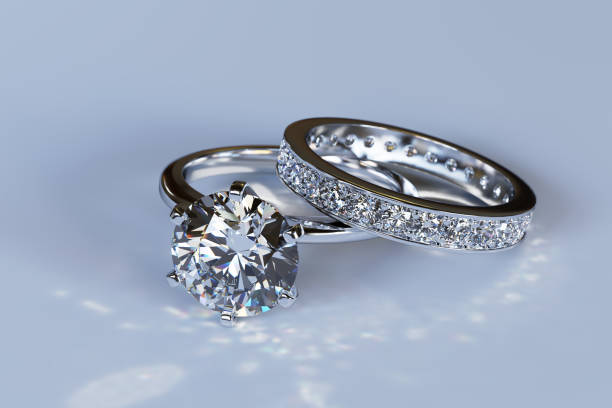
The term “modified brilliant cut” refers to a specific category of diamond cuts that are derived from the traditional brilliant cut but with slight alterations to enhance visual appeal or accommodate unique shapes. This specialized cut style is designed to maximize brilliance, fire, and scintillation while adapting to non-traditional diamond shapes. To understand what makes the modified brilliant cut unique, let’s explore its features, benefits, and how it compares to other popular cuts.
Features of the Modified Brilliant Cut
- Adaptation from Round Brilliant:
Modified brilliant cuts evolve from the traditional round brilliant cut, which is known for its 57–58 facets. These modifications are meant to suit non-round shapes while preserving brilliance. - Facet Arrangements:
The modified design typically alters the facet placement or increases the number of facets on a diamond’s surface to intensify light reflection. - Pear-shaped diamonds
- Oval diamonds
- Heart-shaped diamonds
- Marquise diamonds
- Brilliance Optimization:
The modification ensures that even elongated or asymmetrical shapes reflect light as effectively as possible.
Advantages of a Modified Brilliant Cut
- Enhanced Sparkle in Unique Shapes: Unlike traditional step cuts (e. g. , emerald or Asscher), modified brilliant cuts deliver comparable sparkle found in round brilliants but with added versatility in shape.
- Higher Versatility for Jewelry Design: Many jewelers favor modified brilliant cuts for creating unconventional designs that emphasize uniqueness.
- Masking Inclusions and Flaws: Due to their intense brilliance, these cuts can often make small inclusions less noticeable compared to step-cut diamonds.
Comparison Table: Traditional vs.
| Feature | Traditional Round Brilliant | Modified Brilliant |
| Facet Count | 57–58 | Varies based on shape |
| Brilliance | High | High |
| Shapes Available | Round | Pear, Oval, Marquise, etc. |
| Customization Potential | Limited | High |
Popular Shapes with Modified Brilliant Cuts
- Oval-Cut Diamonds
Known for their elongated symmetry and modern elegance, oval-cut diamonds offer exceptional brilliance thanks to their modified faceting structure. - Marquise-Cut Diamonds
This pointed-end shape is ideal for maximizing carat weight appearance while retaining breathtaking sparkle through its modified design. - Heart-Shaped Diamonds
With its unique symbolism, a heart-shaped diamond employs modifications in facet arrangement to ensure optimal fire and scintillation. - Pear-Shaped Diamonds
The teardrop-like shape combines the best of both worlds—brilliance similar to round brilliants with an elegant silhouette perfect for pendants and engagement rings. - Cushion-Cut Diamonds (Modified Cushion)
A modern take on older cushion designs includes extra facets that amplify light reflection across a slightly square or rectangular outline.
Things to Keep in Mind When Choosing a Modified Brilliant Cut Diamond
- Always examine how light interacts with the facets under different lighting conditions.
- Verify symmetry and proportions using certification reports (e. g. , GIA grading).
- Consult your jeweler about how certain shapes may complement specific jewelry settings such as prongs or halos.
Protect Your Diamond Jewelry’s Value with Comprehensive Coverage Tips
Protecting the value of your diamond jewelry is integral to maintaining its beauty, sentimental significance, and monetary worth. Diamonds are not just stunning gems; they are also investments and cherished heirlooms. To safeguard your precious pieces, proper coverage and care are essential. Below are some comprehensive tips to help you protect your diamond jewelry effectively.
Why You Need Coverage for Your Diamond Jewelry
Diamond jewelry is susceptible to various risks such as theft, loss, or damage. Without adequate protection, you may face significant financial losses or emotional distress if your jewelry is misplaced or damaged.
Here’s why coverage is important: – Financial Security: Replacing lost or stolen items can be costly.Peace of Mind: Knowing your jewelry is insured allows you to enjoy wearing it without constant worry.Preservation of Value: Coverage ensures that the monetary worth of your item is documented and protected over time.
Steps to Protect Your Diamond Jewelry’s Value
- Ensure all pieces are appraised by a certified gemologist.
- Make sure the appraisal includes details on carat size, color, cut quality, clarity grade, and any unique characteristics.
- Update appraisals every 3–5 years to reflect current market valuation.
- Standard homeowner’s insurance often provides limited coverage for valuable items like diamond jewelry.
- Opt for dedicated jewelry insurance policies that cover theft, accidental damage, mysterious loss (unexplained disappearance), and worldwide travel protection.
- Compare providers to find one offering comprehensive terms at reasonable premiums.
- Maintain a detailed record of all your diamond pieces with descriptions and high-quality photos.
- Store receipts and appraisal documents in a secure location or digitally backed up in cloud storage.
- When not wearing your jewelry, store it in a secured safe or lockbox designed for valuables.
- Consider investing in a fireproof safe with an anti-theft locking mechanism.
- Schedule periodic inspections with a trusted jeweler to check for loose settings or wear-and-tear issues.
- Clean your diamonds properly using mild detergents or professional services to maintain their brilliance.
- When traveling with diamond jewelry:
- Use discreet pouches instead of flashy cases that draw attention.
- Never leave valuable items unattended in hotel rooms unless stored in a locked safe.
Table: Comparing Insurance Types
| Feature | Homeowner’s Insurance | Specialized Jewelry Insurance |
| Coverage Limits | Low | High |
| Worldwide Protection | Limited | Comprehensive |
| Theft/Loss/Accidental Damage | Often Partial | Fully Covered |
| Appraisal Requirement | Optional | Mandatory |
| Premium Cost | Lower | Slightly Higher |
Additional Tips for Safeguarding Value
- Avoid exposing diamonds to harsh chemicals (e. g. , bleach) that can weaken their settings.
- Remove diamond rings during high-risk activities like sports or heavy lifting to reduce chances of damage or loss.
- Stay informed about the resale value of diamonds by consulting market trends annually.
By following these practices, you ensure that your diamond jewelry retains its value while giving yourself peace of mind through comprehensive protection measures. Always remember that safeguarding these treasures goes beyond monetary considerations—it helps preserve their personal and emotional significance as well.
The Easiest Way to Get a Professional Jewelry Appraisal for Your Diamonds
Obtaining a professional jewelry appraisal is an essential step in protecting and understanding the value of your diamond jewelry. Whether for insurance purposes, resale, or simply peace of mind, a credible appraisal can ensure you have accurate information about your piece. Here’s how you can seamlessly navigate the process.
Why You Need a Jewelry Appraisal
- Insurance Coverage:Proper documentation ensures that your jewelry is insured for its full replacement value in case of theft, loss, or damage.
- Resale Value:If you’re considering selling your diamond jewelry, an appraisal helps set an appropriate price based on market trends.
- Estate Planning:Appraisals are useful when dividing assets among heirs or determining charitable donation values.
- Peace of Mind:Knowing the details and exact worth of your diamonds provides greater confidence in owning such valuable items.
Steps to Get a Professional Jewelry Appraisal
- Find a Certified Gemologist
Look for a qualified appraiser who holds certifications from reputable institutions like: - Gemological Institute of America (GIA)
- American Gem Society (AGS)
- National Association of Jewelry Appraisers (NAJA)
These certifications indicate expertise in grading diamonds and valuing fine jewelry accurately.
- Verify Their Credentials
Always verify the appraiser’s background to avoid scams or inexperienced services. Ask about their qualifications, experience with diamonds, and whether they adhere to professional ethics guidelines. - Prepare Your Diamond Jewelry
Clean your diamond piece before taking it for appraisal so that it appears as brilliant as possible under magnification tools used by professionals. - Request Documentation
Ensure the appraiser provides detailed documentation covering: - Carat weight
- Diamond cut quality
- Clarity grade
- Color grade
- Metal type (if applicable)
This document should also include high-quality photos and the current market value of similar pieces. - Understand the Purpose
Clarify why you need the appraisal—whether for insurance replacement value, fair market resale value, or another purpose—as this impacts how the valuation is approached.
Key Questions to Ask During an Appraisal
- How frequently do you update valuations based on market conditions?
- Is this appraisal recognized by my insurer?
- Can I receive multiple copies of the final report?
Asking these questions ensures transparency and alignment with your needs when working with professionals.
Tips for Accurate Appraisals
- Avoid relying on online calculators or informal “free” valuations—they often lack accuracy due to their inability to assess physical attributes like brilliance or cut angles.
- Reappraise every 2–5 years since market values fluctuate over time.
- Keep all receipts and previous records with your completed appraisal documents.
| Consideration | Details | Action Required |
| Certification | GIA/AGS/NAJA | Verify qualifications |
| Documentation Provided | Detailed report w/ images | Request clear paperwork |
| Market Fluctuations | Values change over time | Schedule periodic reappraisals |
Ensuring that these aspects are addressed will help maintain both monetary value and personal security around such prized possessions without unnecessary hassle.
The Easiest Way to Get a Professional Jewelry Appraisal for Your Diamonds
When it comes to diamonds, knowing their true value is essential—whether you’re looking to insure your jewelry, sell a piece, or simply understand its worth. A professional jewelry appraisal is the most reliable way to assess the value of your diamond accurately. Below, we’ll walk you through the easiest ways to obtain an appraisal and what you need to know beforehand.
Why You Need a Professional Jewelry Appraisal
A professional jewelry appraisal has several key benefits:
– Insurance purposes:Ensure proper coverage in case of loss, theft, or damage.
– Resale evaluation:Determine market value if you’re planning to sell.
– Authentication:Verify authenticity and quality of diamonds and gemstones.
– Estate planning:Accurately value items for inheritance distribution or tax purposes.
Steps to Get a Professional Jewelry Appraisal
- Look for appraisers certified by reputable organizations such as:
- Gemological Institute of America (GIA)
- American Society of Appraisers (ASA)
- National Association of Jewelry Appraisers (NAJA)
Choosing an appraiser affiliated with these organizations ensures they adhere to strict ethical standards and have undergone extensive training.
- Clean the piece thoroughly before your appointment so inclusions, cuts, and clarity can be assessed clearly.
- Gather any original purchase documents, certifications (e. g. , GIA reports), and receipts to assist in the evaluation process.
- Understand Appraisal Types
There are different types of appraisals depending on your needs:
| Type | Purpose | Frequency Recommended | |——————–|————————————————|———————–| | Insurance appraisal| Replacement cost for insurance claims | Every 3–5 years | | Resale appraisal | Current market value if selling | As needed | | Fair market appraisal| Value for legal/estate purposes | Case-by-case basis | - Schedule an Appointment
Many jewelers offer in-house appraisals by trained professionals or recommend independent specialists. Ensure that the service is transparent—some professionals allow you to be present during the process. - Review Your Final Appraisal Document
An accurate jewelry appraisal should include:- A detailed description of your diamond’s weight, cut, color grade, clarity grade, carat weight, and measurements.
- High-quality images of the diamond or jewelry piece.
- The appraiser’s credentials and contact information.
- The estimated replacement or resale value depending on the purpose of the assessment.
Tips for a Smooth Appraisal Process
- Verify Fees:Check whether fees are charged per item or by hourly rate—avoid those who charge based on diamond value as this could indicate bias.
- Update Regularly:Diamond values can fluctuate due to market trends; update appraisals every few years for accuracy.
- Consider Independent Services:For impartial evaluations not tied to retail sales goals, consider independent appraisers over those working at retail jewelers.
Obtaining a professional jewelry appraisal doesn’t need to be complicated when done correctly. By following these simple steps and ensuring transparency at every stage, you’ll have peace of mind knowing that your diamond’s true worth has been accurately determined by a trusted expert.
- How to Get a Diamond Ring Appraisal and Understand Its Value
- Understanding Unique Diamond Types: How an Engagement Ring Appraisal Determines Value
- Essential Tips for Calculating the Value of Engagement Rings
- How External Factors Impact the Value of Engagement Rings
- How to Ensure Your Engagement Ring Valuation Is Accurate and Why It’s Important
- Understanding the Purpose and Importance of Appraising Engagement Rings
Essential Tips for Calculating the Value of Engagement Rings
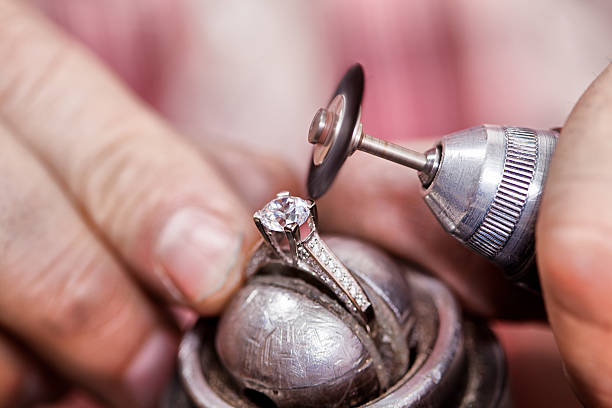
When determining the worth of your diamond ring, it’s essential to assess several factors that contribute to its overall value. Below, we break down the steps and components involved in calculating the value of your diamond ring.
Key Factors That Influence the Value of a Diamond Ring
To calculate the value of your diamond ring, you need to consider multiple aspects that extend beyond just the size of the diamond.
- Carat Weight: Larger diamonds typically fetch higher prices.
- Clarity: Fewer inclusions or blemishes increase a diamond’s grade and value.
- Color Grade: Diamonds closer to being colorless (graded D through F) are more valuable.
- Metal Type for the Band: The material used for the band also contributes to a ring’s worth.
| Metal Type | Characteristics |
| Platinum | Durable, hypoallergenic; tends to be expensive |
| White Gold | Affordable alternative with a similar look |
| Yellow Gold | Classic choice; value varies with karat level |
| Rose Gold | Unique pinkish hue; often more affordable |
Design and Brand: Rings from well-known designers (e. g. , Tiffany & Co. , Cartier) carry higher resale values due to their reputation and craftsmanship.- Market Trends: The current demand for specific diamond shapes or styles can influence pricing. For instance, cushion-cut or oval diamonds may trend higher in certain years.
- Condition of the Ring: Wear-and-tear impacts resale price. Rings in excellent condition with little damage retain more value.
Step-By-Step Process for Valuing Your Diamond Ring
- Get a Professional Appraisal
Reach out to a certified gemologist or appraiser who can evaluate your ring based on industry standards like GIA (Gemological Institute of America). This is especially helpful if you want an accurate replacement cost for insurance purposes. - Determine Market Prices for Similar Rings
Research online marketplaces such as jewelry auction sites or pre-owned platforms like Worthy or The RealReal. Compare rings with similar specifications. - Check Certification Documents
If your ring has grading reports from GIA or AGS (American Gem Society), use this documentation as proof when assessing its quality and pricing. - Assess Resale Value vs Retail ValueKeep in mind that resale value is usually lower than what was paid initially due to retailer markups—often ranging between 20%-50%.
- Consult Experts in Jewelry Re-SalesFor those looking at selling options, consignment stores, pawnshops, or certified online buyers can provide quick evaluations but may vary widely in offers.
Tools You Can Use
- Online Diamond Price Calculators
- GIA Report Check Tool
- Metal Scrap Calculators (to estimate gold/platinum band values)
Evaluating your diamond ring requires patience and attention to detail but can provide clarity on its true worth whether you’re keeping it as an heirloom or looking at selling opportunities.
A Complete Guide to Engagement Ring Valuation and Diamond Quality
Each of these plays an important role in determining not only a stone’s market value but also its beauty and appeal.
Carat Weight
Larger diamonds are rare and thus more valuable. However, it’s worth noting that carat size doesn’t necessarily equate to better quality or sparkle.
- “Magic sizes,” such as 0.
| Carat Weight | Relative Price Increase |
| 0.50 ct | Moderate |
| 1.00 ct | Significant |
| 2.00+ ct | Exponential |
Cut
The cut shapes how light interacts with the diamond, influencing its brilliance and sparkle.
- Excellent: Maximizes light reflection; the most brilliant choice.
- Very Good: Slightly less reflective but still high-quality.
- Fair/Poor: Minimal brilliance; often less desirable.
Popular shapes include round (most brilliant), princess (modern), cushion (classic), and emerald (vintage-inspired).
Color
Here’s a summary of color grades: – D-F: Considered colorless; highest value range. – K-Z: Noticeable yellow/brown hues; lower-cost options.
Clarity
Clarity measures internal flaws (inclusions) or surface imperfections (blemishes).
Additional Considerations
- Request certification from reputable labs like GIA or AGS for reliable grading information.
- Evaluate fluorescence—diamonds with strong fluorescence might appear hazy in sunlight, which can decrease their value.
By understanding these characteristics in detail, you’ll be better equipped to determine both quality and worth when evaluating your diamond ring’s overall appeal.
Understanding Diamond Ring Appraisal: Market Price and Resale Value Insights
Below, we break down key considerations and methods for evaluating the market price and resale value.
Factors Influencing the Market Price
- Cut: Refers to how well the diamond is crafted to reflect light.
- Clarity: Measures internal inclusions or blemishes. The clearer the diamond, the higher its value.
- Carat Weight: Larger diamonds (higher carat weight) tend to have exponentially higher prices due to their rarity.
- Color: Diamonds with minimal color (graded closer to “D”) are more valuable compared to those with visible hues.
- The type of metal used for the ring band—such as platinum, gold (yellow, white, or rose), or sterling silver—affects its overall worth. Precious metals like platinum and 18K gold hold higher intrinsic values than lower-karat alloys or silver.
- Consumer preferences impact pricing significantly. For example, vintage styles may hold higher appeal during certain periods, while modern minimalist designs dominate at other times.
Evaluating Resale Value
- On average, pre-owned rings sell for approximately 20–60% of their original retail price depending on condition, brand name (if applicable), and demand.
- Brand exclusivity plays a role; designer brands such as Tiffany & Co. , Cartier, or Harry Winston generally retain greater resale value compared to unbranded rings.
Steps for Resale Valuation
- Gather all original documentation such as receipts, certificates (GIA/AGS reports), and warranties.
- Assess current retail pricing through jewelers or online platforms based on comparable diamonds with matching characteristics.
- Use online diamond-buying services or consignment platforms specializing in jewelry resales for quotes.
- Consider professional appraisals from qualified gemologists for an objective opinion on worth.
| Factor | % Impact on Resale Value |
| Diamond Quality | ~50% |
| Metal Composition | ~20% |
| Brand Name | ~15% |
| Market Conditions | ~15% |
Maximizing Your Ring’s Resale Value
To ensure you receive fair compensation during resale: – Maintain your ring in excellent condition by cleaning it regularly. – Retain all original packaging and paperwork as this adds credibility. – Explore different resale options like auction houses, local jewelers, pawn shops, or online marketplaces before committing.
Understanding these key aspects will empower you with realistic insights into both current market trends and strategies for maximizing value when selling your diamond ring.
Comprehensive Step-by-Step Guide to Engagement Ring Appraisal: Diamonds, Band, and More
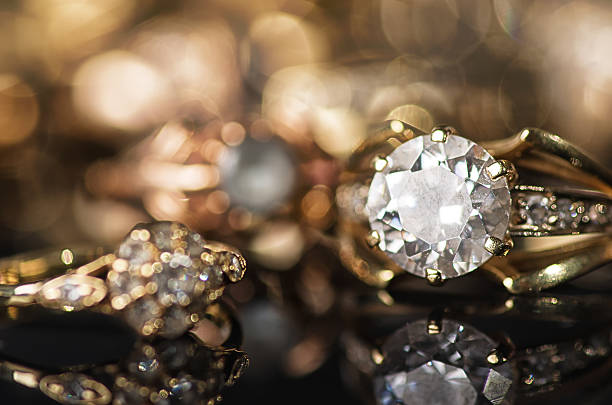
Valuing a diamond ring involves multiple factors, each contributing to the overall worth of the piece. To accurately assess its value, you must consider both the diamond’s quality and the features of the band. This process requires a systematic approach and attention to detail. Below is a step-by-step guide to help you evaluate your diamond ring effectively.
The diamond is usually the most valuable component of a ring, so understanding its quality is paramount.
- Cut:Refers to how well the diamond has been cut and shaped.
- Clarity:Measures imperfections or inclusions within the stone. Fewer inclusions increase a diamond’s value.
- Color:Ranges from colorless (most valuable) to yellow or brown hues. Grading scales typically start at “D” (colorless) and end at “Z” (noticeable color).
- Carat Weight:Larger diamonds are generally more valuable but can be affected by other factors like cut quality.
Diamond certifications from trusted labs (e. g. , GIA or AGS) can provide detailed assessments for these characteristics.
While diamonds hold significant value, the material used for your band’s setting also plays a role in determining its worth.
| Material | Market Value | Durability |
| Platinum | High | Extremely durable |
| White Gold | Moderate | Durable but may require replating over time |
| Yellow Gold | Moderate | Durable with classic appeal |
| Rose Gold | Moderate | Durable with unique aesthetic |
| Sterling Silver | Low | Prone to tarnishing |
Scrutinize whether your band is solid gold/platinum or plated with other metals, as this impacts both value and longevity.
- Unique designs or custom pieces may carry additional value due to their exclusivity.
- Rings from renowned jewelry brands (e. g. , Tiffany & Co. ) often have higher market demand.
- Look for hallmarks or engravings that identify designer brands or purity levels (e. g. , “18K” for 75% pure gold).
- Check recent auction results or online resale platforms like Worthy. com.
- Consult local jewelers for insights into current trends in your area.
Factors Affecting Resale Value:Pre-owned rings often sell at lower prices than their original retail cost. 2. Older styles may appeal less unless they have vintage significance.
- Visit an independent jeweler who specializes in appraisals.
- Request proof of certification if you’re unsure about authenticity.
Many jewelers offer verbal appraisals free of charge; formal written appraisals are usually available for a fee.
By following these steps, you’ll be equipped with all necessary tools to accurately value your diamond ring—whether you’re insuring it, selling it, or simply wanting insight into its worth over time.
Understanding the History and Significance of Engagement Rings
Engagement rings hold a profound place in human history, symbolizing love, commitment, and partnership. Their significance has evolved over centuries, influenced by cultural practices, historical events, and societal trends. Understanding the history of engagement rings enhances their sentimental value and allows us to appreciate their enduring importance in modern times.
The Origins of Engagement Rings
The tradition of engagement rings dates back to ancient civilizations: – Ancient Egypt: Egyptians believed that circles symbolized eternity. Couples exchanged rings made from braided reeds or other natural materials as a representation of their eternal bond.Ancient Rome: Romans introduced the concept of metal bands for engagements. Iron was commonly used initially, but gold eventually became more prominent for those who could afford it.Medieval Europe: By the Middle Ages, diamonds began appearing on engagement rings among European aristocracy. In 1477, Archduke Maximilian of Austria presented Mary of Burgundy with the first documented diamond engagement ring.
Symbolism Behind Engagement Rings
Engagement rings are steeped in symbolism that has persisted throughout centuries: – The Circular Shape: Represents eternity and an unbreakable union.The Left Hand Placement: Traditionally worn on the fourth finger because it was believed to contain the “vena amoris” or “vein of love” that connects directly to the heart.Diamonds as a Choice: Diamonds came into prominence due to their durability and brilliance. They symbolize strength, purity, and everlasting love.
The Evolution of Styles
Engagement ring styles have transformed over time: | Era | Common Features | |—————-|———————————————————-| | Victorian Era | Floral motifs; intricate designs with colored gemstones | | Edwardian Era | Delicate lace-like details; platinum settings | | Art Deco Period| Geometric shapes; bold designs with contrasting colors | | Modern Era | Simple solitaires; custom-designed settings |
Cultural Interpretations Across the Globe
Different cultures have imbued unique meanings into engagement rings: – In some Asian traditions, jade or other gemstones represent luck and prosperity instead of diamonds. – Scandinavian couples often exchange plain gold bands as both engagement and wedding rings. – In many Western cultures, extravagant diamond rings are seen as a status symbol.
Modern-Day Significance
Many couples choose custom designs that reflect their shared story or values. 2. Alternative gemstones like sapphires or emeralds are gaining popularity for ethical or aesthetic reasons. 3. Sustainable practices such as lab-grown diamonds are becoming more widely accepted among environmentally conscious consumers.
Understanding this rich history adds depth to what may otherwise be seen as just an item of jewelry. It underscores how traditions adapt while retaining core aspects that stand as timeless reminders of human connection.
Are You Ready to Upgrade to a New Diamond Ring?
Upgrading your diamond ring is an exciting decision, whether you’re marking a milestone, celebrating an anniversary, or simply seeking something new. However, there are several factors to consider before making this investment. From understanding your budget and preferences to knowing how to deal with your existing ring, here’s a comprehensive guide to help you navigate the process.
Reasons for Upgrading Your Diamond Ring
Many individuals choose to upgrade their diamond rings for a variety of reasons.
- Celebrating Milestones:A significant anniversary or life accomplishment may feel like the perfect time for an upgraded ring design or larger diamond.
- Changing Tastes:Personal style evolves over time; what you loved years ago may not align with your current preferences.
- Improved Financial Position:If your budget has grown since purchasing your original ring, you may want to invest in a higher-quality diamond or a more elaborate setting.
- Sentimental Value:Some couples upgrade their rings to reflect evolving love stories, such as adding additional stones or incorporating heirloom elements into the design.
Key Considerations Before Upgrading
- Determine how much you’re willing and able to spend on the upgrade.
- Factor in expenses like resizing, resetting the stone, or purchasing a completely new piece.
- Decide whether you’d like to trade in or repurpose your current ring. Many jewelers offer trade-in programs that allow you to put the value of the old ring toward a new one.
- Alternatively, you can preserve sentimental value by reusing elements such as the original diamond in a new setting.
- Consider what specifically you’d like in an upgraded piece—this might include a larger center stone, better color and clarity grade, or different metal type for the band (e. g. , platinum instead of gold).
- Research modern trends but also prioritize timeless designs that match your long-term style preferences.
- Review policies on upgrades and trade-ins offered by jewelers near you or online retailers.
- Check for any warranties that might still apply from previous purchases.
Popular Upgrade Options
| Upgrade Option | Description |
| Larger Center Stone | Replace the original stone with one of greater carat weight for added brilliance and size. |
| Halo Settings | Add smaller diamonds around the center stone for extra sparkle and perceived size increase. |
| Band Material Change | Switch from yellow gold to white gold, rose gold, or platinum for updated aesthetics. |
| Additional Accent Stones | Incorporate side stones or pave bands for greater visual interest and complexity. |
What To Do With Your Old Ring
- Trade it in at reputable jewelers who accept diamonds and settings toward credit for new purchases.
- Repurpose it into another piece of jewelry such as earrings or pendants.
- Pass it down as an heirloom within your family if sentimental attachment is strong.
- Sell it independently through certified platforms if maximizing resale value is important.
Upgrading a diamond ring is both personal and financial—it’s about finding something that aligns with both practicality and emotion while creating something you’ll cherish moving forward.
- How to Get a Diamond Ring Appraisal and Understand Its Value
- Understanding Unique Diamond Types: How an Engagement Ring Appraisal Determines Value
- Essential Tips for Calculating the Value of Engagement Rings
- How External Factors Impact the Value of Engagement Rings
- How to Ensure Your Engagement Ring Valuation Is Accurate and Why It’s Important
- Understanding the Purpose and Importance of Appraising Engagement Rings
How External Factors Impact the Value of Engagement Rings
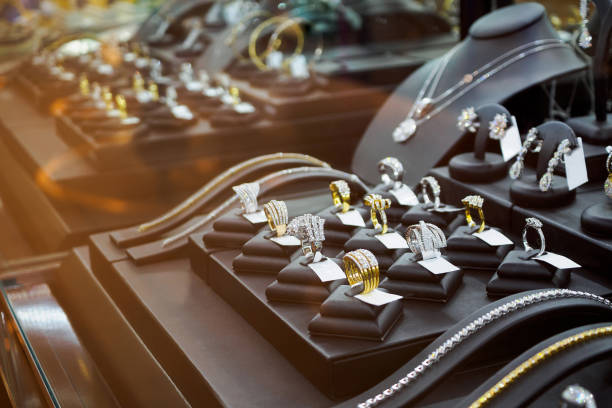
The value of a diamond ring is shaped by numerous external factors that go beyond the intrinsic properties of the diamond itself. Understanding these external influences can help buyers make informed decisions and ensure they get the best value for their investment. Below, we explore the primary factors that influence diamond ring valuation.
1. Market Trends and Consumer Preferences
- Round brilliant diamonds are timeless but tend to command higher prices due to their universal appeal.
- Unique shapes like pear, emerald, or marquise may be priced differently based on current consumer preferences.
- White gold and platinum settings are often more expensive than yellow gold or sterling silver due to material costs.
- Contemporary designs (like halo or pavé) vs. traditional solitaire designs can influence pricing based on market fashion cycles.
2. Geopolitical and Economic Conditions
- Currency Fluctuations: As diamonds are traded globally, exchange rates impact import/export costs.
- Inflation Rates: Rising inflation often increases production costs for mining, cutting, polishing, and distribution.
- Global Events: Political instability in diamond-producing regions may disrupt supply chains, reducing availability and increasing prices.
3. Certification Standards
| Certification Body | Impact on Valuation |
| GIA | Widely recognized; ensures unbiased grading standards |
| IGI | Popular but sometimes considered secondary to GIA |
| EGL | May vary in grading accuracy; lower certifications reduce trust |
Certified diamonds typically fetch higher prices because they offer assurance regarding quality attributes such as cut, color, clarity, and carat weight.
4. Retailer Markups
- Online retailers usually have lower overhead costs compared to physical stores; hence their prices are generally more competitive.
- Luxury brands charge premium prices due to brand reputation rather than solely based on material value.
5. Seasonal Demand
- Engagement Seasons: Christmas holidays through Valentine’s Day see increased demand for engagement rings.
- Wedding Seasons: Prices may rise during wedding-heavy months due to heightened demand for wedding bands that pair with diamond rings.
By understanding these external factors that influence diamond ring valuation—ranging from economic conditions to seasonal trends—buyers can make smarter purchasing decisions while navigating this complex market effectively.
How to Navigate Engagement Ring Valuation and Diamond Pricing Models
The pricing of diamond rings can often be perplexing, especially for first-time buyers. One of the key concepts that underpins diamond pricing is the exponential pricing model. Unlike many other goods that follow a linear or straightforward cost structure, diamonds are priced exponentially based on their characteristics. Understanding this model can help buyers make informed decisions and better appreciate the value of their purchase.
Key Factors Driving Exponential Pricing
- The carat weight of a diamond is one of the most significant determinants of its price. While larger diamonds are rarer and more desirable, the price does not simply double with size. Instead, it increases exponentially because finding larger gem-quality diamonds requires significantly more effort and precision.
| Carat Weight | Approximate Price* |
| 0.50 ct | $1,500 |
| 1.00 ct | $6,000 |
| 2.00 ct | $20,000 |
Diamonds with fewer inclusions or blemishes are rarer and therefore more expensive. A flawless diamond is exponentially pricier than one with minor imperfections visible only under magnification.- The closer a white diamond is to being completely colorless (graded D on the GIA scale), the higher its value. As you move down the scale towards Z (noticeable yellow or brown tint), prices drop significantly.
- A well-cut diamond maximizes brilliance and sparkle by reflecting light optimally through its facets. Cut quality has an outsized impact on price because it enhances all other attributes of a stone.
Why Prices Increase Exponentially
- Larger diamonds are exponentially rarer than smaller ones because extracting them from rough stones without significant flaws is incredibly challenging.
- Perfectly colorless or flawless stones are statistically uncommon, which drives up demand among collectors and luxury buyers.
- The craftsmanship involved in cutting and polishing high-quality stones further adds to costs.
Tips for Buying Diamonds in an Exponential Pricing Market
- Set Priorities: Decide which aspects (e.g., size vs quality) matter most to you before shopping.
- Consider Compromises: Slightly lower grades in clarity or color that aren’t noticeable to the naked eye can offer significant savings without sacrificing visual appeal.
- Work With Reputable Jewelers: Certified jewelers can provide detailed reports (e.g., GIA certification) to ensure transparency about what you’re paying for.
- Focus on Cut Quality: This attribute affects how beautiful your diamond appears regardless of its other grading factors.
When purchasing a diamond ring, understanding how these elements interconnect within an exponential pricing model empowers buyers to make confident choices while staying within budget constraints.
Note: Prices listed are approximate and will vary based on market conditions, geographic location, and specific retailer offerings.
Understanding the Importance of a Diamond Ring Appraisal Before Your Purchase
Choosing the perfect diamond ring is a deeply personal journey that combines emotional significance with careful decision-making. A diamond ring, especially an engagement or wedding ring, often symbolizes love, commitment, and shared dreams. Below is a comprehensive guide to help you navigate this process.
Understanding the 4Cs: Cut, Color, Clarity, and Carat
The 4Cs are the cornerstone of diamond evaluation. Understanding these factors can help you choose a diamond that meets both your aesthetic preferences and budget.
- Cut
A diamond’s cut determines its ability to reflect light and produce brilliance. Cuts are graded from Excellent to Poor. An expertly cut diamond maximizes sparkle. - Color
The color scale ranges from D (colorless) to Z (light yellow or brown). Colorless diamonds are rare and more valuable compared to others with visible tints. - Clarity
Clarity measures internal flaws (inclusions) or external blemishes in a diamond. These are graded from Flawless (FL) to Included (I), with flawless diamonds being exceptionally rare. - Carat
Carat refers to a diamond’s weight rather than its size. Larger carat weights increase value but should also be balanced with good cut quality for maximum visual impact.
| Grading Factor | Description | Scale |
| Cut | Determines brilliance | Excellent – Poor |
| Color | Measures lack of color | D (colorless) – Z (visible tint) |
| Clarity | Assesses inclusions and blemishes | Flawless (FL) – Included (I) |
| Carat | Weight of the diamond | Typically ranges from <0.5ct to >5ct |
Selecting the Right Setting
- Prong Setting: Holds the diamond in place using metal prongs, maximizing light exposure for brilliance.
- Bezel Setting: Encircles the stone with a metal rim for added security.
- Pavé Setting: Features small diamonds embedded along the band for added sparkle.
- Halo Setting: Surrounds a center stone with smaller diamonds for enhanced visual impact.
Each setting type offers unique benefits depending on your priorities—be it durability, style, or emphasis on brilliance.
Defining Your Budget
- Allocate funds based on personal financial circumstances rather than societal norms.
- Prioritize aspects like cut quality over carat weight if you’re working within tight constraints.
- Consider lab-grown diamonds as they offer excellent quality at lower price points compared to natural diamonds.
Choosing Metal Types
- Platinum: Durable, hypoallergenic, and boasting a bright white sheen.
- White Gold: Offers similar aesthetics as platinum but at a lower cost.
- Yellow Gold: Classic choice that complements vintage designs.
- Rose Gold: Trendy yet timeless option featuring warm pink hues.
Your choice of metal should align with personal style preferences while accommodating lifestyle needs—for example, platinum may be ideal for individuals requiring higher resistance against scratches or wear.
Tailoring Your Design Preference
- Decide whether you prefer modern minimalist styles versus intricate vintage-inspired looks.
- Opt for custom engraving if personalization adds sentimental value.
- Evaluate additional accents such as side stones or colored gemstones based on personal taste.
Exploring these considerations ensures every detail aligns harmoniously with your expectations while creating cherished memories tied closely around this significant purchase decision-making process.
How Supply and Demand Influence Engagement Ring Appraisal Values
The price of a diamond ring is significantly influenced by the basic economic principles of supply and demand. Understanding this interplay provides valuable insight into why diamond rings are priced the way they are, and helps consumers make informed purchasing decisions.
Supply Factors Affecting Diamond Prices
- Mining Limitations
Diamonds are finite natural resources extracted from mines. The processes involved in locating, extracting, and refining diamonds are time-intensive and costly, which reduces their overall availability. - Geopolitical Issues
Many diamond mines are located in politically unstable regions. Conflicts or trade restrictions can disrupt mining operations or distribution channels, limiting supply. - Ethical Sourcing
With increasing global awareness around “conflict-free” diamonds, ethical sourcing has also impacted supply chains. Regulations like the Kimberley Process aim to curtail the flow of conflict diamonds but limit access to certain markets. - Recycling Trends
More consumers today sell pre-owned jewelry or repurpose older diamonds into new designs. While this increases short-term supply, it often does not meet demand for specific sizes or grades.
Demand Drivers for Diamond Rings
- Cultural Traditions
Weddings, engagements, anniversaries, and special occasions fuel consistent demand for diamond rings across various cultures. Their symbolic meaning significantly boosts their desirability. - Marketing Campaigns
Historically impactful campaigns—such as De Beers’ “A diamond is forever”—have created emotional connections with diamonds as symbols of love and status, driving sustained popularity. - Emerging Markets
As middle-class populations grow in countries like China and India, demand for luxury items such as diamond jewelry has surged dramatically over recent decades. - Fashion Trends
Shifts in design preferences also play a role. For example: - Minimalist settings might push smaller stones into vogue.
- Vintage-inspired designs could revive demand for rare cuts like Asscher or marquise shapes.
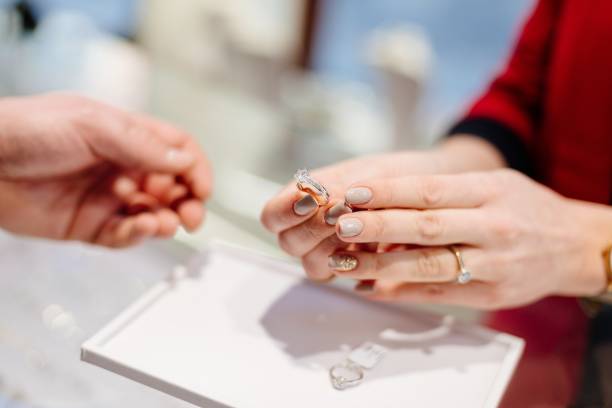
Balancing Supply and Demand: Pricing Implications
When there is elevated demand but limited supply: – Prices rise sharply as available inventory becomes scarce. – Premium-quality stones (e.g., those with exceptional color or clarity) often command even higher price points during these periods.
Conversely: – When there is an oversupply due to reduced market activity (e.g., during economic downturns), prices may stabilize or decline temporarily.
| Factor | Effect on Price | Example Scenario |
| Reduced mining output | Price increase | Political instability halts production |
| High cultural demand | Price increase | Wedding season surges |
| Ethical regulations | Price increase | Stricter sourcing requirements |
| Market saturation | Price decrease/stabilize | Rise in resale activity |
Economic Sensitivity of Diamonds
Although often considered luxury goods with stable value retention, diamonds can still be subject to broader economic trends such as inflation rates or currency fluctuations. Buyers should recognize that while the intrinsic value of a diamond remains high due to its rarity, external factors tied to supply chains can create temporary pricing volatility.
By understanding how basic principles of supply and demand shape pricing dynamics, buyers can approach their investment in diamond rings with greater confidence while navigating fluctuating market conditions effectively.
Building a Stunning Jewelry Collection Featuring Diamond Rings
A well-curated jewelry collection is more than just an assortment of accessories; it reflects personal style, sophistication, and timeless elegance. Diamond rings, as one of the most coveted pieces in the world of fine jewelry, serve as cornerstone items in any impressive collection. Here’s a detailed guide to building a stunning jewelry collection with diamond rings at its heart.
Understanding the Role of Diamond Rings in a Collection
Diamond rings are versatile and iconic. Whether they are engagement rings, cocktail rings, or stackable bands, these pieces instantly elevate the aesthetic of a jewelry collection. Their rarity, brilliance, and symbolism make them ideal for marking significant milestones or simply enhancing everyday elegance.
Reasons why diamond rings are essential:
– Timeless Appeal: Diamonds never go out of fashion and retain their value over time.
– Symbolism: They signify love, commitment, and success.
– Versatility: Suitable for both formal occasions and casual settings. – Investment Potential: High-quality diamonds can serve as an asset that appreciates with time.
Categories of Diamond Rings to Include
- A single diamond on a plain band emphasizes simplicity and elegance.
- Ideal for both engagement purposes and minimalistic fashion lovers.
- Feature smaller diamonds encircling a central stone for added sparkle.
- Perfect for making a bold statement while enhancing brilliance.
- Encircled entirely with diamonds symbolizing infinite love or timeless style.
- Can be stacked with other rings or worn alone.
- Intricate motifs or settings echoing bygone eras give unique character to your collection.
- Great for those who appreciate craftsmanship and history.
- Oversized designs often combining diamonds with other gemstones.
- Serve as eye-catching conversation starters at events.
| Ring Type | Key Features | Recommended Use |
| Solitaire | Single central diamond | Everyday wear; engagements |
| Halo | Center stone with surrounding gems | Formal occasions |
| Eternity Band | Diamonds all around the band | Stackable; anniversaries |
| Vintage-Inspired | Unique antique-inspired designs | Timeless sophistication |
| Statement Cocktail | Bold size; often colorful | Special events; celebrations |
Tips to Curate Your Collection
- Prioritize Quality Over Quantity: Focus on acquiring fewer but higher-quality pieces rather than accumulating many lower-tier items.
- Understand the 4Cs (Cut, Color, Clarity, Carat): These factors influence not only beauty but also value.
- Diversify Styles and Settings: Ensure your collection includes different designs suitable for various occasions.
- Balance Budget With Investment Goals: Determine whether you’re purchasing primarily for personal enjoyment or long-term value appreciation.
- Seek Certification from Reputable Labs: Always insist on GIA or AGS certification when buying diamond rings to ensure authenticity.
Pairing Diamond Rings With Other Jewelry Pieces
- Pair solitaire diamond rings with understated necklaces or stud earrings for effortless elegance.
- Combine halo or cocktail diamond rings with bracelets featuring complementary gemstones to create a vibrant look.
- Use eternity bands as stackable accents alongside minimalist bands in contrasting metals like platinum or rose gold.
Investing in thoughtfully selected diamond rings transforms your jewelry box into a treasure trove brimming with beauty and purpose. By choosing distinctive styles that resonate personally while maintaining quality standards, you ensure that your collection will endure through time both aesthetically and financially.
Comprehensive Guide to Jewelry Categories with a Focus on Diamond Rings
When it comes to jewelry, each category offers unique attributes and appeals to different tastes, occasions, and purposes. Among the most captivating and sought-after pieces are diamond rings, which hold a timeless allure. This guide delves into the core jewelry categories while emphasizing the significance of diamond rings within these classifications.
Primary Jewelry Categories
- Symbolize love, commitment, or personal style.
- Diamond rings are often used for engagements, weddings, anniversaries, and special occasions.
- Available in designs such as pendants or chokers.
- Often customized with gemstones or diamonds to elevate their elegance.
- Can range from simple studs to intricate chandelier designs.
- Diamond earrings are valued for their brilliance and versatility.
- Popular types include bangles, cuffs, and tennis bracelets adorned with diamonds.
- Luxury watches can incorporate diamonds for added sophistication.
- A traditional yet stylish category that often features gemstones like diamonds for enhanced visual appeal.
Why Diamond Rings Stand Out
- Emotional Value: Often associated with milestones such as engagements or weddings.
- Investment Potential: High-quality diamond rings can retain or increase in value over time.
- Customization Options: From cuts (e.g., round brilliant or princess) to settings (e.g., solitaire or halo), there are endless possibilities for creating personalized designs.
- Versatility: Suitable for formal events as well as everyday wear when designed simply.
Characteristics of Diamond Rings Across Categories
| Category | Role of Diamonds | Key Features |
| Engagement Rings | Centerpiece symbolizing love | Typically uses high-carat stones |
| Wedding Bands | Adds elegance through subtle accents | Minimalist designs with smaller stones |
| Fashion Rings | Enhances personal style | Bold settings with unique stone shapes |
Tips on Integrating Diamond Rings into Your Jewelry Collection
- Assess Your Style: Decide whether you prefer classic designs (e.g., solitaire) or modern trends (e.g., asymmetrical styles).
- Choose Complementary Pieces: Pair diamond rings with earrings or bracelets that share similar metal tones (e.g., platinum or gold).
- Consider Everyday Wearability: Opt for durable materials like platinum if you plan on wearing your ring regularly.
By understanding how jewelry categories function together and appreciating the standout qualities of diamond rings, you can curate a collection that reflects both your personal taste and timeless elegance.
Selecting Timeless Watches and Accessories to Complement Your Diamond Ring
A diamond ring is often the centerpiece of any jewelry collection, radiating brilliance and timeless elegance. However, to truly elevate its beauty, pairing your diamond ring with the right watches and accessories can create a harmonious and sophisticated look. Here is an in-depth guide on how to carefully select complementary items that enhance your diamond ring.
Key Principles for Accessory Pairing
- Consistency in Metal Tones:
Ensure that the metal of your watch or accessory matches the setting of your diamond ring. For example:- Platinum or white gold rings pair beautifully with silver or stainless steel watches.
- Yellow gold rings work best with gold-tone watches or accessories.
- Rose gold offers a warm hue that blends well with coppery or pinkish accents in other pieces.
- Balancing Simplicity and Intricacy:
If your diamond ring boasts an intricate design, opt for minimalist accessories to avoid overwhelming your overall look. Conversely, a simple solitaire diamond can be paired with a bold statement piece for added flair. - Maintaining Proportions:
The size of your watch face, bracelet width, or earrings should not overshadow the visual prominence of your ring. Aim for balance in proportions so each piece complements rather than competes for attention.
Suggested Accessories to Pair with Diamond Rings
- Classic designs such as dress watches are ideal companions for diamond rings.
- Look for timepieces featuring subtle embellishments like diamond hour markers or sleek bezels.
- Brands like Cartier, Rolex, and Omega offer elegant models tailored to refined tastes.
- Tennis bracelets featuring diamonds align seamlessly with the sparkle of a diamond ring.
- Cuff bracelets in matching metal tones provide subtle sophistication.
- Avoid stacking too many bracelets near the hand wearing the ring—simplicity is key.
- Diamond studs are a versatile choice that mirrors the brilliance of most rings.
- Drop earrings featuring gemstones can serve as striking counterparts when chosen thoughtfully.
- Coordinate stone shapes (e.g., round-cut studs matching a round-cut center stone on a ring) for cohesive aesthetics.
- A delicate chain necklace with a single pendant complements solitaire rings effortlessly.
- For vintage-inspired rings, consider layering antique-style necklaces that reflect similar motifs.
Matching Styles: Contemporary vs Traditional
For those who favor modern designs in their jewelry collections: – Opt for geometric-inspired watches and sleek metallic bangles to amplify contemporary aesthetics. – Incorporate mixed metals strategically while ensuring cohesiveness through consistent textures.
For those leaning towards traditional styles: – Stick to classic pearls or heirloom-inspired pieces such as cameo brooches alongside ornate engagement rings. – Vintage-style timepieces (like pocket-watch faces designed into wristwatches) evoke timeless charm without clashing stylistically.
Aesthetic Coordination Table
| Accessory Type | Best Feature(s) to Match | Recommended Materials/Designs |
| Watch | Metal tone | Stainless steel, gold accents |
| Bracelet | Stone type/metal finish | Diamond accents; thin cuffs |
| Earrings | Diamond cut | Studs; drop designs |
| Necklace | Pendant style | Minimalist; gemstone-adorned |
Thoughtful coordination enhances not only individual pieces but also creates an ensemble that reflects both personal style and sophistication—all centered around your cherished diamond ring’s brilliance.
- How to Get a Diamond Ring Appraisal and Understand Its Value
- Understanding Unique Diamond Types: How an Engagement Ring Appraisal Determines Value
- Essential Tips for Calculating the Value of Engagement Rings
- How External Factors Impact the Value of Engagement Rings
- How to Ensure Your Engagement Ring Valuation Is Accurate and Why It’s Important
- Understanding the Purpose and Importance of Appraising Engagement Rings